



Seattle Accelerates Clean Transportation Efforts with Electric Vehicles and Solar Energy Initiatives
Seattle and Bellevue are expanding EV charging, electric car-sharing, and solar energy projects to promote cleaner transportation across the region
· AllSeattle
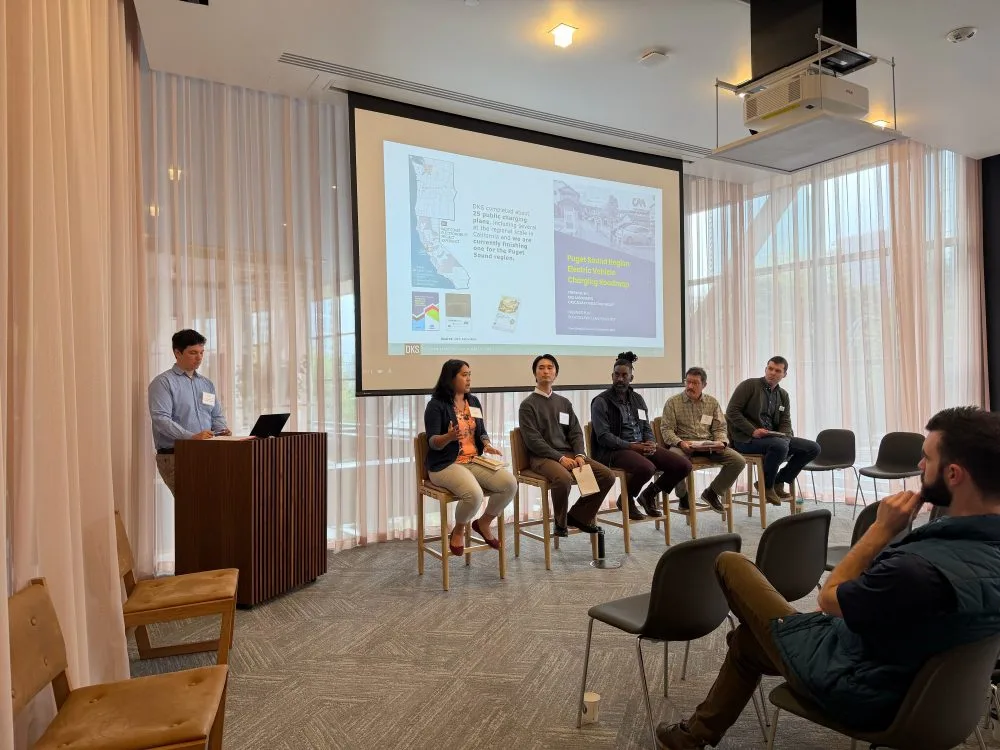
Seattle is continuing to invest in a cleaner and more sustainable transportation future as cities across the Puget Sound region work to reduce emissions and expand access to electric vehicles.
During Transportation Week 2026, organized with the participation of Seattle 2030 District, representatives from Seattle, Bellevue, local energy providers, and educational institutions shared projects designed to make electric transportation more accessible to residents and businesses.
One of the key topics was expanding electric vehicle charging access in multifamily housing communities. Many Seattle residents live in apartment buildings and condominiums where installing personal EV charging equipment is not always possible.
To address this challenge, Seattle City Light highlighted its Multifamily EV Charging Program, which supports efforts to expand charging opportunities in residential buildings.
The City of Bellevue also presented its ChargeReady Bellevue initiative. The program provides free technical assistance to multifamily property owners interested in installing electric vehicle charging stations.
Making Electric Vehicles More Accessible
Another important initiative discussed during the event was electric vehicle car-sharing.
Representatives from ZEV Co-op introduced a cooperative car-sharing model that allows residents to access electric vehicles without having to purchase one themselves.
The service can help people with everyday transportation needs, including grocery shopping, medical appointments, and other local trips.
Expanding shared electric vehicle options could make clean transportation more affordable and practical for people who do not own a car or are not ready to invest in an electric vehicle.
University of Washington Combines Solar Energy and EV Charging
One of the most notable projects featured during Transportation Week 2026 came from the University of Washington.
The university completed a pilot solar-powered parking canopy project at its E18 parking lot in early 2026. The installation combines solar panels with electric vehicle charging infrastructure, demonstrating how existing parking facilities can become sources of renewable energy.
According to project estimates, the system is capable of generating approximately 195,000 kilowatt-hours of electricity annually. This amount of energy could support roughly 100 vehicles in the university's fleet.
The University of Washington has also established a goal of transitioning its entire vehicle fleet to electric vehicles by 2034.
Looking ahead, additional E parking areas could potentially accommodate approximately 11,000 solar panels, with a combined generating capacity of around 3.5 megawatts.
The project was made possible through collaboration between the University of Washington, Seattle City Light, and other partners. Funding support came from programs including Business EV Charging and Green Up, as well as Washington State's Climate Commitment Act.
Beyond Electric Cars: Building a Sustainable Transportation Network
Transportation Week 2026 also highlighted the importance of transportation solutions beyond private electric vehicles.
Participants explored public transportation, bicycle infrastructure, and micromobility options. Activities included bicycle tours with Lime and a community gathering at the 9Zero climate innovation hub.
Organizers emphasized that creating a sustainable transportation system requires more than simply replacing gasoline-powered vehicles with electric ones.
It also involves improving charging access, supporting shared transportation services, investing in public transit, and expanding the use of renewable energy.
For Seattle residents, these initiatives could eventually mean more transportation choices, lower emissions, and improved access to clean mobility options.
As Seattle, Bellevue, Seattle City Light, and the University of Washington continue working together, the region is taking important steps toward a transportation system designed for a more sustainable future.
Source: Seattle City Light – Powerlines