



Seattle Begins Winter Tree-Planting Season as City Works to Expand Urban Forest
Seattle is planting new street trees during the 2026–27 season to expand its urban forest, cool neighborhoods and improve air quality, with priority given to areas that need more tree coverage.
· AllSeattle
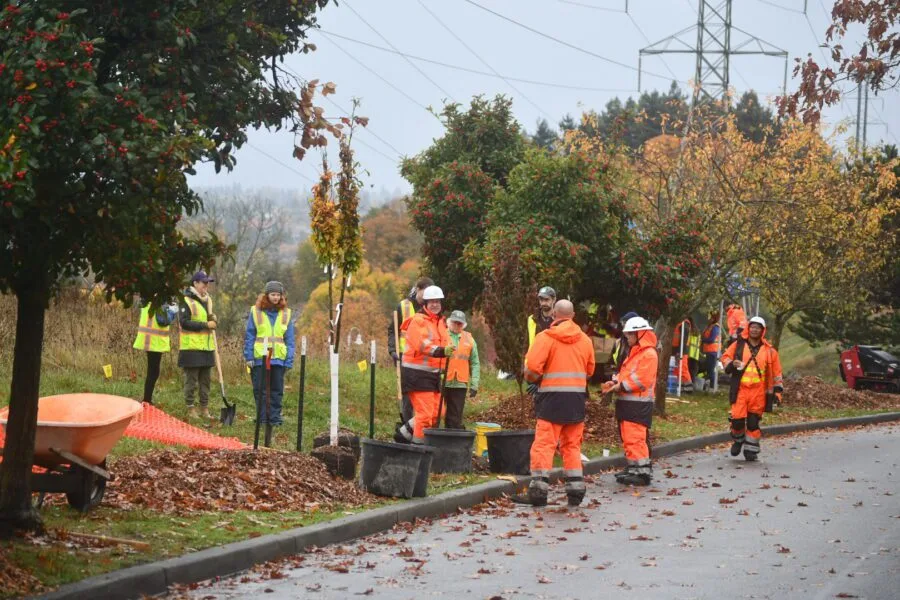
Seattle Begins Winter Tree-Planting Season to Grow a Greener City
Seattle is launching its 2026–27 street tree-planting season as the city works to expand its urban forest, improve neighborhood conditions and prepare communities for the effects of climate change.
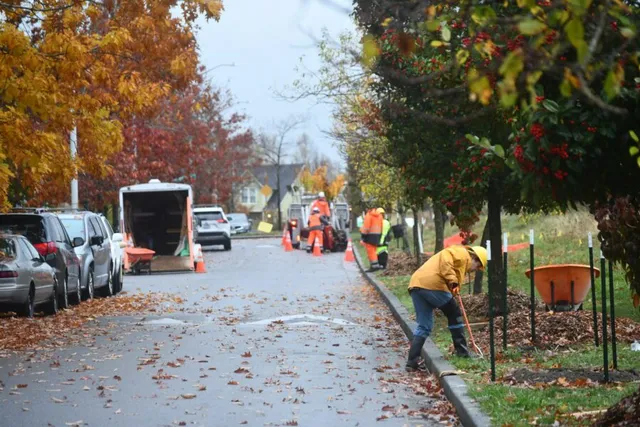
November marks the beginning of the preferred planting period for many trees. The Seattle Department of Transportation (SDOT) is coordinating planting efforts across the city, with particular attention to neighborhoods that have less tree coverage and experience higher temperatures.
The initiative is being highlighted during Seattle Forest Week, which runs November 7–15.
Seattle's Urban Forest Includes More Than 221,000 Street Trees
SDOT's Urban Forestry team manages trees growing within Seattle's public street rights-of-way.
The department has inventoried more than 221,000 trees in these areas. Its public Seattle Tree Inventory map also provides information about approximately 40,000 city-maintained trees.
The city uses geographic information systems (GIS) to identify locations where additional trees are most needed. The analysis helps prioritize historically underserved neighborhoods with limited tree canopy.
Under the Tree Planting Program, funded through the voter-approved Seattle Transportation Levy, SDOT also monitors newly planted trees during their first five years of establishment and replaces trees that do not survive.
Why Seattle Plants Trees During Fall and Winter
Seattle's tree-planting season takes place primarily during the cooler months, when many trees enter dormancy.
Planting during this period helps reduce transplant shock — stress that can occur when a tree is moved from a nursery and planted in a new environment.
Cooler temperatures and reduced sunlight make it easier for trees to establish themselves before the growing season begins in spring.
Fall and winter planting also helps avoid some of the challenges associated with summer heat, drought and ground-level ozone.
Once warmer weather returns, newly planted trees can begin developing leaves, stems and roots in their new locations.
Choosing the Right Tree for Each Neighborhood
SDOT considers several factors before selecting a tree for a particular street.
These include sidewalk and pavement conditions, underground and overhead utilities, available soil, sunlight, traffic signs, visibility and the amount of space available for future growth.
The department also considers how climate change may affect Seattle's urban environment.
One tree planned for the 2026–27 planting season is the Pacific Heritage Oak, a hybrid combining characteristics of the native Garry Oak and the hardier Heritage Oak.
According to SDOT, this hybrid is better suited to challenging urban planting conditions and is expected to provide valuable habitat for local wildlife.
Trees Bring Shade, Cleaner Air and Safer Streets
Expanding Seattle's tree canopy offers several benefits beyond making neighborhoods greener.
Street trees provide shade during hot weather and help reduce the urban heat-island effect, which can make developed neighborhoods significantly warmer than surrounding areas.
Trees also help improve air quality, provide habitat for wildlife and create more comfortable walking and biking environments.
As trees mature, their presence along streets can encourage drivers to slow down by creating a more enclosed visual environment.
The city is placing particular emphasis on planting along routes used by students traveling to and from school.
SDOT and Schools Work Together to Plant More Trees
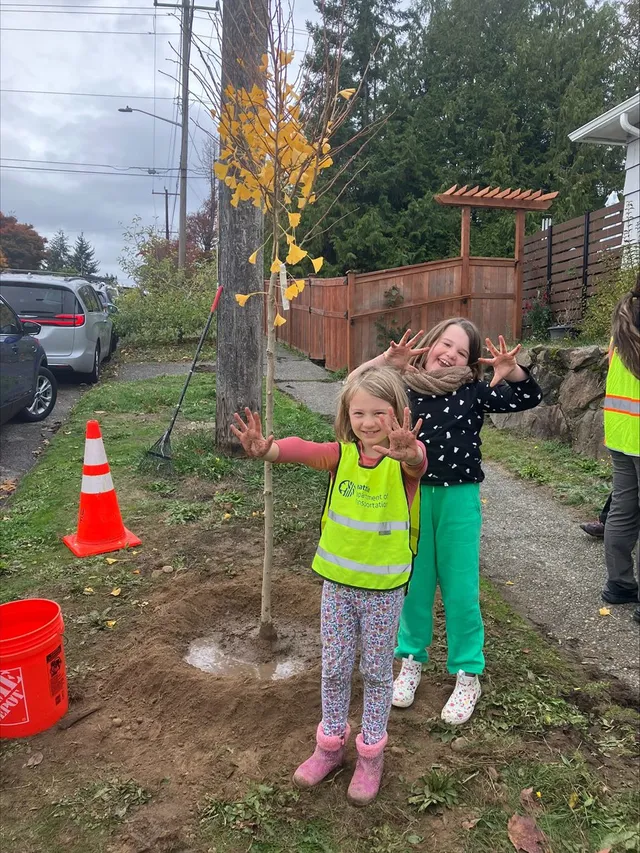
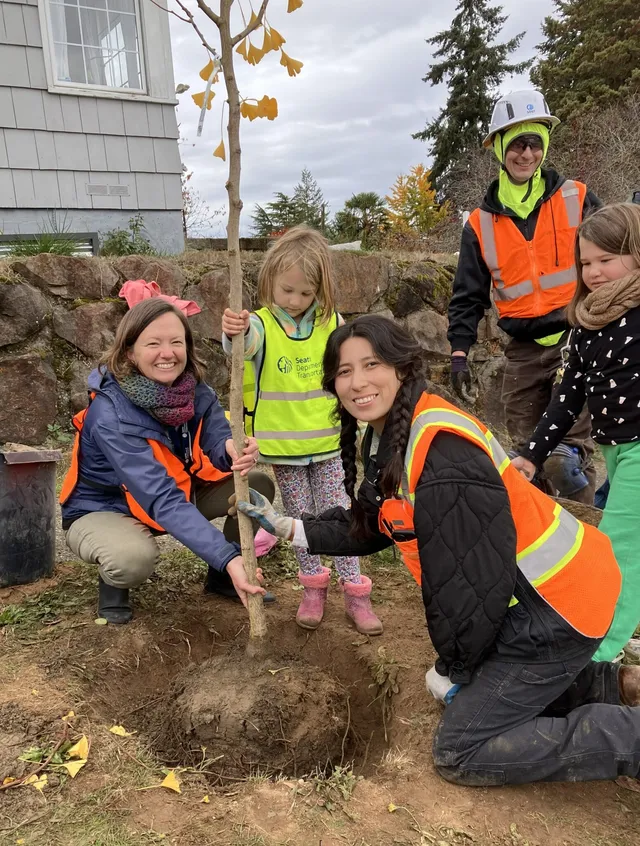
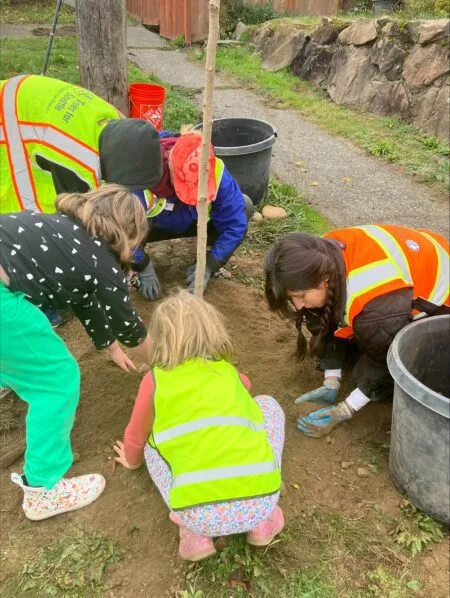
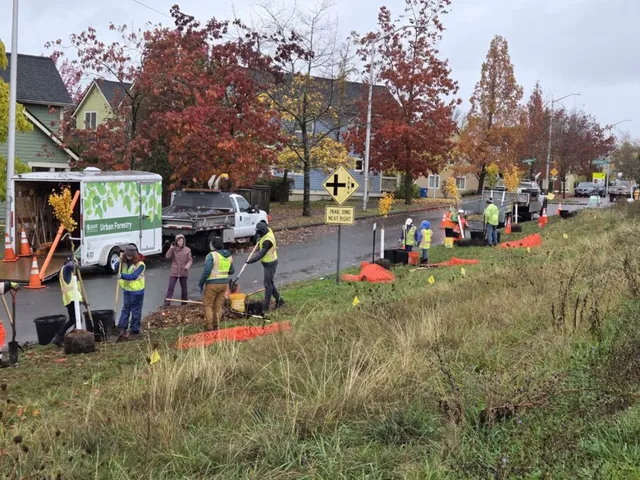
SDOT's Urban Forestry team partners with the Safe Routes to School program to add trees along routes used by students who walk, bike or roll to school.
This year's planting work included SW Holden Street near Roxhill Elementary School in West Seattle.
Previous projects have brought new trees to routes serving Aki Kurose Middle School, Concord Elementary, Cleveland High School and Dunlap Elementary/South Shore PK-8.
Trees along school routes can provide shade and rain cover, help separate sidewalks from traffic and reduce exposure to vehicle pollution.
Seattle Forest Week Encourages Community Participation
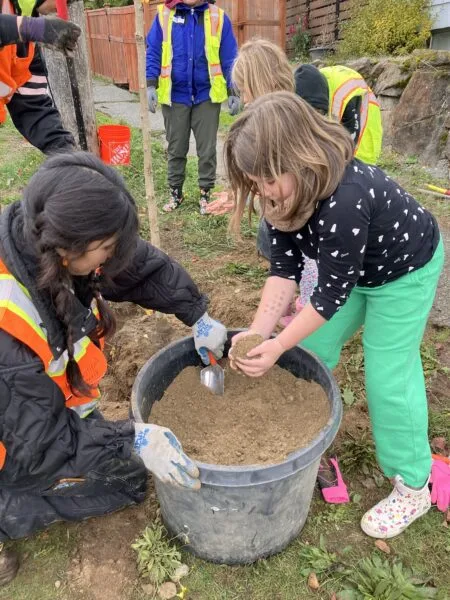
Seattle Forest Week, taking place November 7–15, brings city departments, community organizations and volunteers together to support the city's urban forest.
The annual initiative includes tree planting and restoration activities in parks, green spaces and neighborhoods throughout Seattle.
Residents can learn about volunteer opportunities and community events through the Seattle Forest Week website.
As the 2026–27 planting season gets underway, SDOT says residents can expect to see new street trees appearing across Seattle in the coming months.
Source: sdotblog.seattle.gov