



Seattle Urges Residents to Prepare for Landslide Season as Heavy Rains Approach
Seattle officials are reminding residents to prepare for landslides as the wet season begins. About 20,000 city properties are located in landslide-prone areas.
· AllSeattle
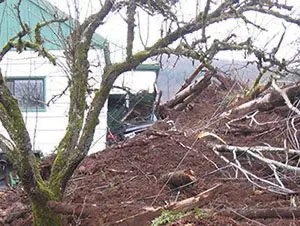
With the arrival of the rainy season, the City of Seattle is urging residents to take steps to protect their homes and families from potential landslides.
According to the Seattle Department of Construction and Inspections (SDCI), most landslides in the region occur between November and March. Heavy rainfall, melting snow, and uncontrolled stormwater can saturate the soil and increase the risk of slope failures.
The city estimates that approximately 20,000 Seattle properties, most of them residential, are located in landslide-prone areas.
How residents can reduce landslide risks:
Check downspouts and make sure water is directed to a safe location.
Keep drainage systems clear of leaves and debris.
Inspect hillsides and sloped areas for signs of soil movement or erosion.
Turn off irrigation systems during the wet season and inspect them regularly.
Keep fill materials and yard waste off slopes.
Consult qualified professionals before beginning projects on hillsides.
Warning signs to watch for include new cracks or bulges in the ground, soil pulling away from foundations, leaning trees or fences, tilting decks, and broken or leaking water lines.
Seattle provides online resources to help residents determine whether their properties may be at risk. These include an interactive GIS map, a landslide-prone area map, a preparedness tutorial, and safety recommendations.
If a landslide damages a property and there is an immediate safety concern, residents should leave the premises and call 911. Property owners whose buildings may be affected can also contact Seattle Department of Construction and Inspections at 206-615-0808 for an initial assessment.
The city encourages residents to review their property conditions before winter storms arrive rather than waiting until an emergency occurs.
Source: buildingconnections.seattle.gov