



Seattle Reminds Residents: Never Put Batteries in the Trash or Recycling Bins
Seattle Public Utilities is reminding residents to recycle batteries properly. Incorrect disposal can cause fires, endanger sanitation workers and release hazardous materials into the environment.
· AllSeattle
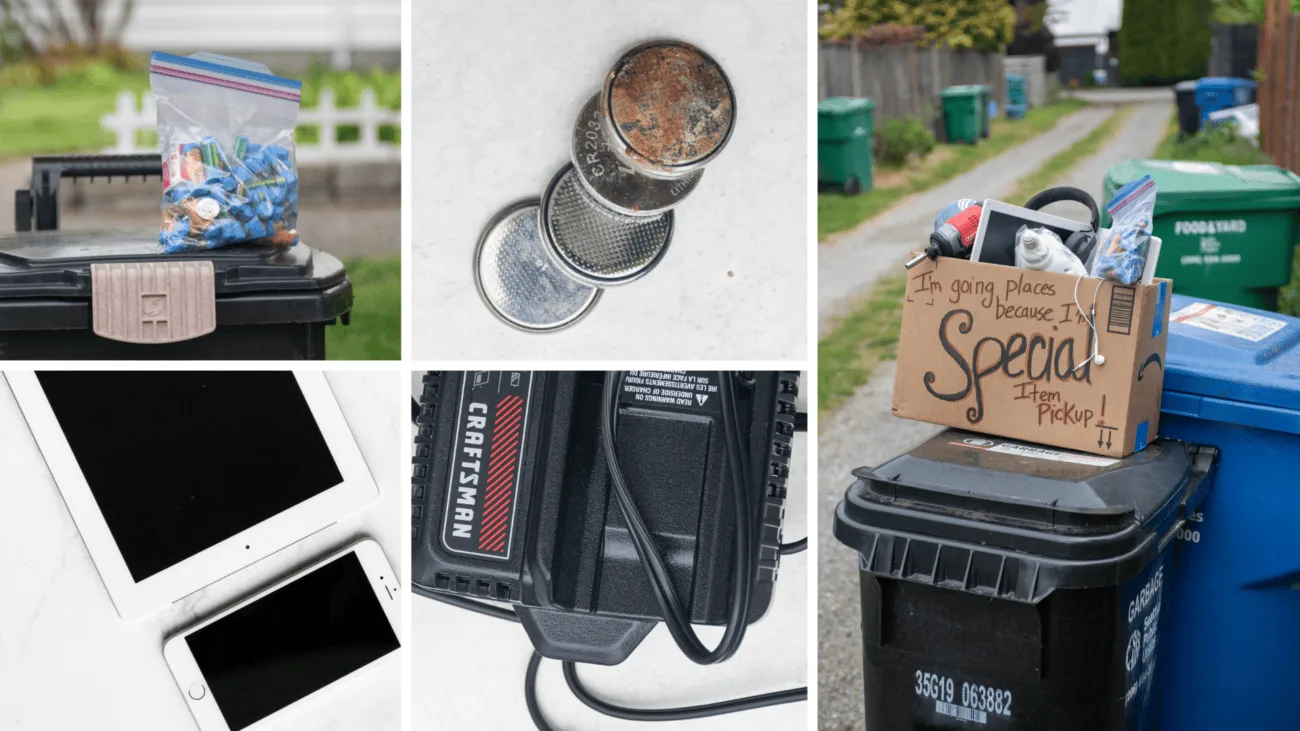
As America Recycles Day approaches on November 15, Seattle Public Utilities (SPU) is reminding residents that batteries must never be placed in household garbage, recycling or compost carts.
Although batteries are essential to everyday life, improper disposal can create serious safety risks. When batteries are crushed in garbage trucks or at waste transfer facilities, they can spark, overheat, smoke and ignite nearby materials. According to SPU, battery-related incidents have become one of the leading causes of fires at its facilities.
Seattle has adopted Director’s Rule SW-404, which prohibits batteries and certain electronic devices from being disposed of in the city's regular municipal waste system. The rule applies to most battery types, including alkaline, lithium-ion, rechargeable and button-cell batteries.
Batteries can also contain materials such as lithium, mercury, cadmium, lead and nickel. These substances require specialized handling to protect sanitation workers, residents and the environment.
How to Recycle Different Types of Batteries
Seattle residents have several options for safely disposing of used batteries and electronics.
- Small household batteries: Alkaline, rechargeable and button-cell batteries can be taken to Household Hazardous Waste facilities or participating retail collection locations through The Battery Network. Residents should separate battery types and tape the terminals before drop-off.
- Small electronics with built-in batteries: Items such as cell phones, laptops and tablets can be recycled through The Battery Network, E-Cycle WA or SPU's Special Item Pickup program.
- Vehicle and e-mobility batteries: Car batteries and batteries from electric bikes and scooters require designated collection locations, including appropriate transfer stations, hazardous waste facilities and manufacturer take-back programs.
- Damaged or defective batteries: These must be taken to a Household Hazardous Waste facility. They should not be placed in regular garbage or taken to transfer stations.
Free Battery Pickup for Eligible Seattle Residents
SPU has expanded its Special Item Pickup program to accept household batteries and small electronics containing built-in batteries.
Seattle Public Utilities residential account holders are eligible for one free battery pickup per year. Residents can arrange collection by calling 206-684-3000.
Other recycling and drop-off options are available through designated facilities and participating retailers.
Protecting Workers and the Environment
Proper battery recycling helps prevent fires at waste facilities, protects collection crews and keeps hazardous materials out of the environment. It also allows valuable materials to be recovered and reused instead of being lost in the waste stream.
For America Recycles Day, SPU is encouraging residents to check their homes for used batteries, keep them separate from regular household waste and use approved collection services.
Residents can find additional disposal guidance through Seattle Public Utilities and its recycling resources.
Source: Seattle Public Utilities: America Recycles Day: How to Recycle Your Batteries Correctly